Most B2B buyers focus the majority of their procurement energy on finding the right howo truck at the right price. They compare specifications, negotiate unit costs, evaluate supplier credibility, and finalize payment terms. Then, once the purchase agreement is signed, the logistics phase begins — and this is where many bulk truck orders encounter the problems that were never factored into the original budget.
In 2026, the global ocean freight market remains volatile. Freight rates fluctuate in response to geopolitical routing disruptions, vessel capacity adjustments, port congestion events, and seasonal demand shifts. For companies importing a howo truck fleet from China to Africa, Southeast Asia, the Middle East, or other destination markets, these variables are not abstract risks — they are concrete cost factors that can add thousands of dollars per unit to the final delivered price if they are not planned for in advance.
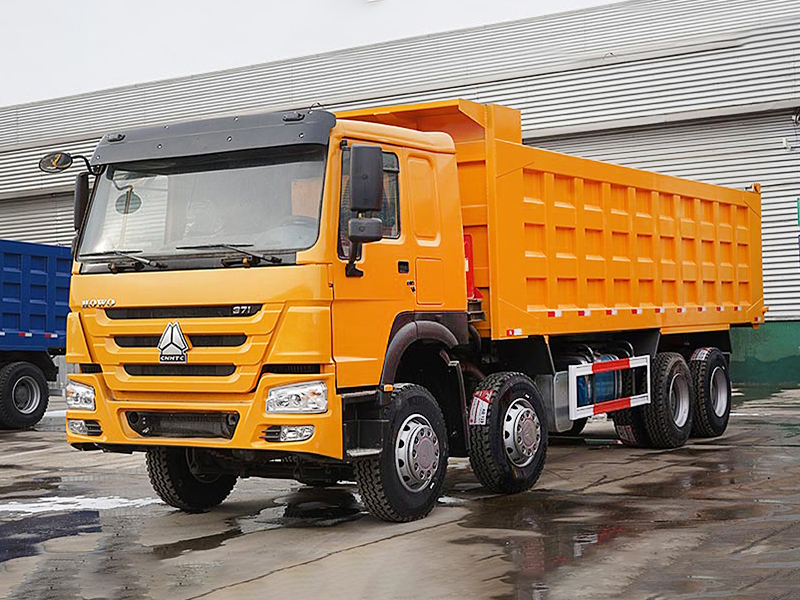
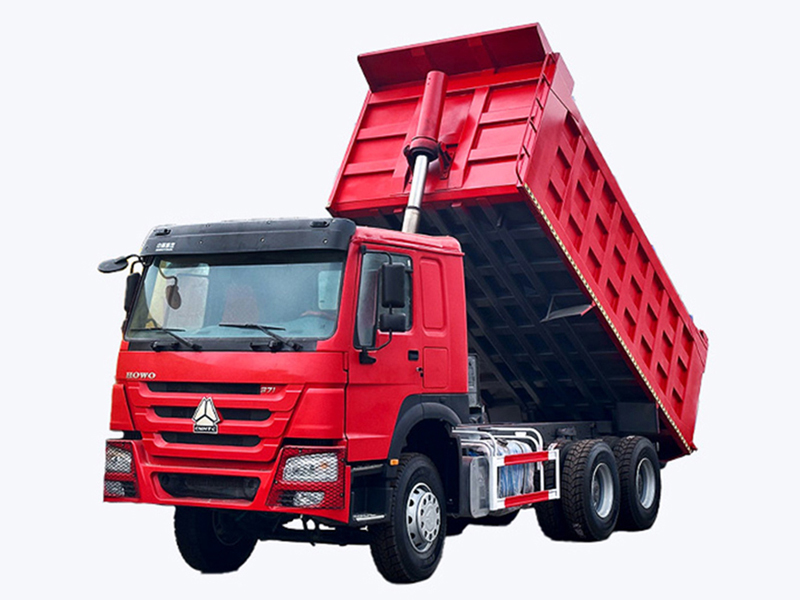
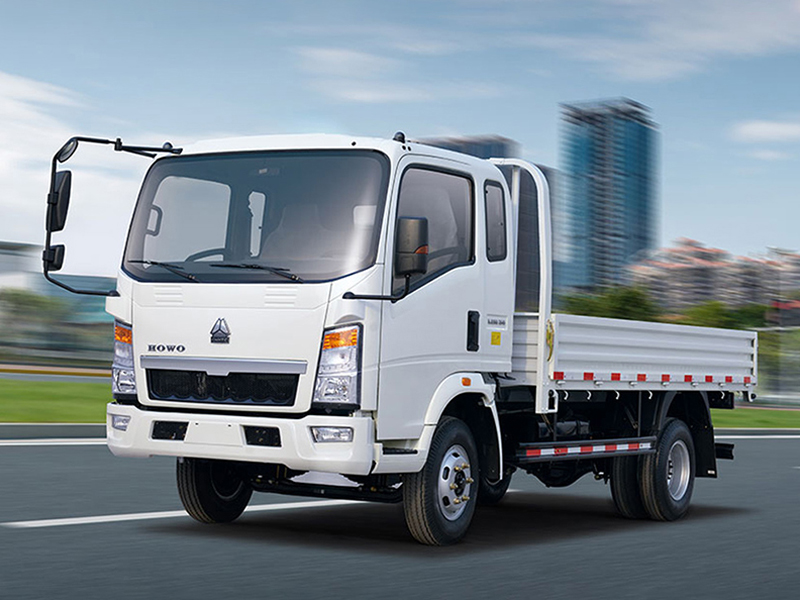
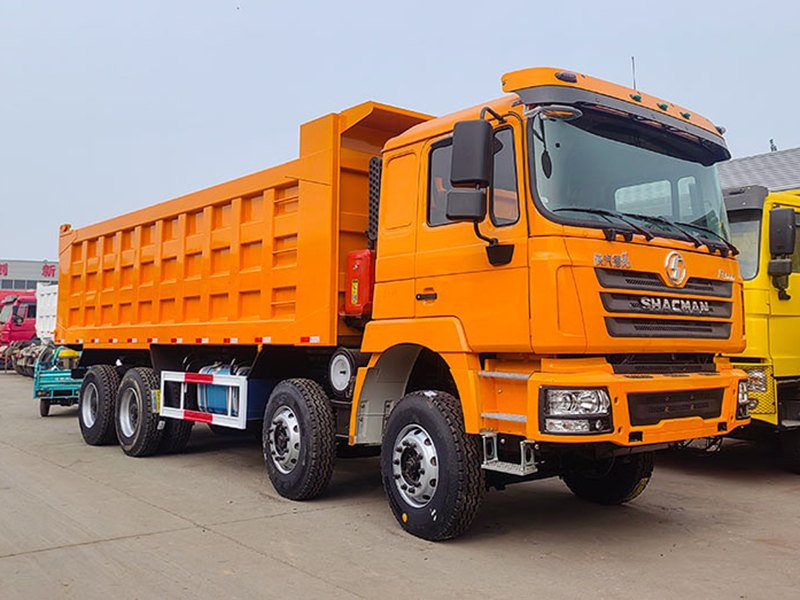
A howo truck is a heavy-duty commercial vehicle manufactured by Sinotruk under the HOWO brand, widely used across construction, mining, infrastructure, water transport, concrete delivery, and bulk logistics applications. The product range includes dump trucks, tractor trucks, mixer trucks, water tanker trucks, and light trucks — each with different dimensional and weight characteristics that affect which shipping method is appropriate, what documentation is required, and how destination customs clearance should be managed.
For buyers actively searching for a howo truck for sale, this guide addresses the complete logistics picture: shipping method selection, customs document preparation, bulk delivery cost reduction strategies, and post-arrival inspection procedures. Secondary keywords relevant to this process — shipping Howo trucks to Africa, international truck logistics, used truck export guide, and bulk heavy vehicle delivery — are addressed throughout. Snail Truck's used HOWO truck program provides inspected and refurbished units with logistics support, export documentation assistance, and transportation to major ports worldwide, making it a practical reference point for buyers building their import strategy.
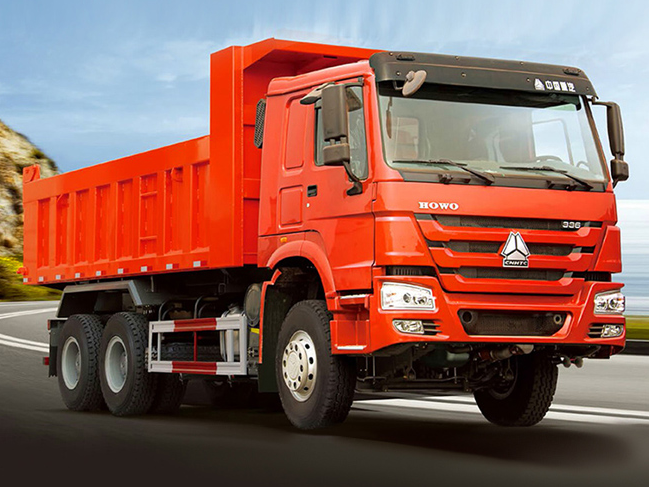
The most common and most expensive mistake in bulk howo truck importing is treating logistics as a post-purchase problem. Buyers who finalize payment, confirm truck availability, and only then begin investigating shipping options frequently discover that the logistics costs they assumed were manageable are significantly higher than expected — or that the delivery timeline they promised to their project team is not achievable given current vessel schedules and port conditions.
In 2026, this risk is particularly acute. The global ocean freight market has not returned to the stable, predictable rate environment that existed before 2020. Freight rate volatility, driven by geopolitical routing disruptions in key shipping lanes, vessel capacity management decisions by major carriers, and periodic port congestion events at both origin and destination ports, means that the freight cost for a bulk howo truck shipment can vary significantly depending on when the booking is made, which routing is available, and how quickly the shipment can be loaded and documented.
For buyers importing a fleet of 10 to 30 used howo trucks, the financial stakes of poor logistics planning are substantial:
Ocean freight rate exposure — A rate increase of $500 per unit on a 20-truck order adds $10,000 to the total delivered cost. A rate increase of $1,000 per unit adds $20,000. These are not hypothetical figures — they reflect the kind of rate movements that have occurred repeatedly in the 2022 to 2025 period and remain possible in 2026.
Port congestion and demurrage risk — If trucks arrive at the destination port before customs documents are ready, or if the destination port is experiencing congestion, storage and demurrage charges accumulate daily. On a large fleet shipment, these charges can reach tens of thousands of dollars before the trucks are released.
Project timeline impact — A delay in truck delivery affects project start dates, equipment deployment schedules, and contractual commitments. For mining and construction contractors who have committed to project timelines based on assumed equipment availability, a two-week shipping delay can have consequences that extend far beyond the logistics cost itself.
Document preparation failures — Incorrect or incomplete customs documentation is one of the most common causes of clearance delays. An incorrect HS code, a mismatch between the commercial invoice and the bill of lading, or a missing import permit can hold an entire fleet shipment at the destination port while corrections are processed.
The practical solution to all of these risks is the same: begin logistics planning before the purchase agreement is finalized, not after. Confirm shipping method options, estimate freight costs at current market rates, identify the customs documentation requirements for the destination country, and establish a relationship with a destination customs broker before the trucks leave China. For buyers working with a supplier like Snail Truck that provides international truck logistics support and export documentation assistance, this planning process is significantly more manageable — but it still requires the buyer to engage with it proactively.
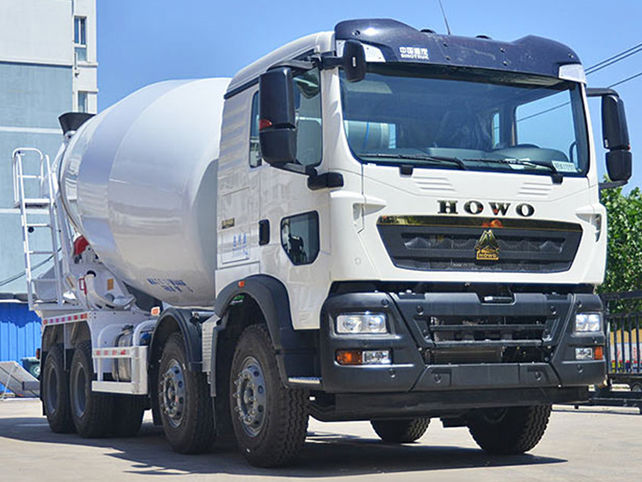
Selecting the correct shipping method for a howo truck order is not a one-size-fits-all decision. Different truck models within the HOWO range have different dimensional and weight characteristics, and different destination ports have different handling capabilities. The shipping method that works well for a HOWO light truck may be entirely unsuitable for a HOWO 8x4 dump truck or a concrete mixer truck.
Here is a practical comparison of the four primary shipping methods used for bulk heavy vehicle delivery:
Ro-Ro Shipping (Roll-on/Roll-off)
Ro-Ro shipping involves driving vehicles directly onto a specialized vessel via a ramp, securing them on the vehicle deck, and driving them off at the destination port. It is the most efficient method for complete, running vehicles that can be driven under their own power.
For howo truck fleet orders where all units are in running condition, Ro-Ro offers several advantages: faster loading and unloading compared with crane-lifted methods, lower risk of handling damage, and competitive freight rates for large vehicle volumes. The primary limitation is port availability — not all destination ports, particularly in smaller African or Southeast Asian markets, have Ro-Ro terminal facilities. Buyers shipping Howo trucks to Africa should verify Ro-Ro terminal availability at their specific destination port before selecting this method.
Container Shipping
Container shipping places trucks inside standard 20-foot or 40-foot shipping containers. For smaller HOWO models — light trucks, certain cab-over configurations — this method provides excellent cargo protection and access to the widest range of destination ports, since container handling infrastructure is nearly universal.
For larger HOWO dump trucks, tractor trucks, and mixer trucks, standard container dimensions may require partial disassembly — removing mirrors, exhausts, or other protruding components — to achieve a fit. This adds preparation time and cost but may be the only viable option for destinations without Ro-Ro or flat rack handling capability.
Flat Rack Shipping
Flat rack containers are open-sided platforms that can accommodate oversized or irregularly shaped cargo that exceeds standard container dimensions. For large howo truck models — particularly 8x4 dump trucks, heavy tractor trucks, and mixer trucks with extended wheelbases — flat rack shipping provides the dimensional flexibility that standard containers cannot offer.
The trade-off is higher securing and handling requirements. Trucks loaded on flat racks must be carefully lashed and blocked to prevent movement during ocean transit, and the open-sided configuration provides less protection against weather and handling damage than enclosed containers. Flat rack rates are also typically higher than standard container rates on a per-unit basis.
Bulk Vessel Shipping
For large fleet orders — typically 15 or more units — bulk vessel shipping can offer the most cost-effective per-unit freight rate by consolidating multiple trucks into a single vessel booking. This method requires strong loading coordination at the origin port and careful documentation management, but the per-unit cost savings on large orders can be significant.
| Shipping Method | Best Application | Primary Advantage | Key Consideration |
|---|---|---|---|
| Ro-Ro | Complete running trucks, large fleet orders | Fast loading, lower handling damage risk | Requires Ro-Ro terminal at destination port |
| Container | Smaller trucks, destinations without Ro-Ro | Maximum port coverage, good cargo protection | Size limits may require partial disassembly |
| Flat Rack | Oversized dump trucks, mixer trucks, heavy tractors | Dimensional flexibility for large vehicles | Higher securing requirements, higher rate |
| Bulk Vessel | Large fleet orders of 15+ units | Lowest per-unit freight cost at volume | Requires strong loading coordination |
Snail Truck provides comprehensive logistics support including container and bulk transportation to major ports worldwide, helping buyers select the most appropriate shipping method based on truck type, destination, order quantity, and budget requirements.
Customs clearance is the phase of the howo truck import process where the most preventable delays occur. Unlike shipping delays caused by vessel schedule changes or port congestion — which are largely outside the buyer's control — customs delays are almost always the result of document preparation failures that could have been avoided with earlier planning.
The document requirements for importing used howo trucks vary by destination country, but the following core documents are required in virtually every market and should be prepared and verified before the vessel departs China:
Commercial Invoice The commercial invoice must accurately describe each truck — make, model, year of manufacture, chassis number, engine number, and declared value. Any discrepancy between the commercial invoice and the physical truck details will trigger a customs query that delays clearance. For bulk orders, the invoice must list each unit individually with its specific identifiers.
Packing List The packing list details the physical contents of each shipping unit — whether container, flat rack, or Ro-Ro booking — including dimensions, weights, and any accessories or spare parts included in the shipment. Customs authorities use the packing list to verify that the physical shipment matches the declared contents.
Bill of Lading The bill of lading is the primary shipping document issued by the carrier, confirming that the goods have been received for transport. The consignee information, port of loading, port of discharge, and cargo description on the bill of lading must match the commercial invoice exactly. Discrepancies between these documents are a common cause of customs holds.
Sales Contract The sales contract between the exporter and the buyer provides the legal basis for the transaction and is often required by customs authorities to verify that the declared transaction value is consistent with the contracted price.
Export Declaration Documents Chinese customs requires export declaration for all commercial vehicle shipments. The export declaration confirms that the trucks have been legally cleared for export from China and provides the HS code classification that destination customs will use to calculate applicable duties and taxes.
Vehicle Inspection Documents For used howo trucks, inspection documentation — including pre-shipment inspection reports, photographs of each unit, and chassis and engine number verification — is increasingly required by destination customs authorities, particularly in African markets. These documents confirm the condition and identity of each truck and reduce the risk of disputes at the destination port.
Certificate of Origin A certificate of origin confirming that the trucks were manufactured in China may be required for preferential duty treatment under applicable trade agreements, or simply as a standard customs requirement in the destination country. Buyers should confirm whether their destination market requires this document and ensure it is obtained before shipment.
Destination Import Permit Some destination countries — particularly in Africa — require a pre-import permit or vehicle import authorization before a used truck shipment can be cleared through customs. Failing to obtain this permit before the vessel departs can result in the shipment being held at the destination port until the permit is processed, with storage charges accumulating throughout the delay.
Snail Truck provides one-stop export formalities support, including customs declaration, inspection documentation, transportation documents, and related export procedures — helping buyers ensure that the Chinese export side of the documentation is complete and accurate before the vessel departs. Buyers are responsible for coordinating destination-country import requirements with their local customs broker.
This documentation framework serves as a practical used truck export guide for any buyer comparing a howo truck for sale from China and planning their first or subsequent import shipment.
One of the most underutilized cost-reduction opportunities in howo truck fleet procurement is the consolidation of shipping logistics across multiple units. Buyers who ship trucks individually — one or two units per shipment — pay the full fixed cost of documentation, port handling, customs brokerage, and shipping coordination for each small shipment. Buyers who consolidate their orders into bulk shipments spread those fixed costs across a larger number of units, reducing the average delivered cost per truck.
The cost logic is straightforward:
Single-unit shipment scenario: Fixed logistics costs — export documentation, port handling, customs brokerage, shipping coordination — are absorbed entirely by one truck. The per-unit logistics overhead is at its maximum.
10-unit bulk shipment scenario: The same fixed logistics costs are shared across 10 trucks. The per-unit logistics overhead drops to approximately one-tenth of the single-unit scenario, assuming the variable freight cost per unit remains comparable.
20-unit bulk shipment scenario: Fixed costs are shared across 20 trucks. Per-unit logistics overhead drops further, and the order volume may qualify for Ro-Ro or bulk vessel shipping rates that are not available for smaller shipments — providing an additional per-unit freight cost reduction.
For buyers building a fleet of 10 to 30 used howo trucks for a mining, construction, or logistics project, this consolidation strategy can generate meaningful savings that partially offset the purchase cost of additional units.
Practical Bulk Shipping Tips for Howo Truck Fleet Buyers
Group all trucks destined for the same port into a single shipment rather than splitting across multiple vessels
Combine trucks of similar dimensions to simplify loading planning and maximize vessel space utilization
Confirm the vessel departure schedule before finalizing payment to ensure the shipping timeline aligns with project requirements
Use a single customs broker for the entire shipment rather than splitting documentation responsibilities across multiple parties
Include spare parts, accessories, and consumables in the same export plan to avoid separate shipment costs
Request loading photographs and truck condition videos at the time of loading as documentation for destination customs and insurance purposes
Ask for a bill of lading draft review before the original is issued to catch any discrepancies before the vessel departs
Snail Truck's used HOWO trucks are positioned as cost-effective transportation solutions, with carefully selected, inspected, and refurbished units offered at competitive prices compared with new trucks. When combined with a well-planned bulk heavy vehicle delivery strategy, the total delivered cost per unit can be significantly lower than buyers who approach logistics as an afterthought.
For buyers shipping Howo trucks to Africa specifically, it is worth noting that several major African ports — including Mombasa, Dar es Salaam, Lagos, Tema, and Durban — have established heavy vehicle handling infrastructure and regular vessel services from Chinese ports. Confirming which of these ports offers the best combination of handling capability, customs efficiency, and inland transport connectivity for the specific destination is an important step in the logistics planning process.
The logistics process for a howo truck fleet order does not end when the vessel arrives at the destination port. Port release, customs clearance, inland transport, and first-use inspection all require active management — and failures at any of these stages can add cost and delay that erodes the savings achieved through careful pre-shipment planning.
Common Post-Arrival Challenges
Vessel schedule changes that shift the arrival date without advance notice, creating coordination problems for customs brokers and inland transport providers
Port congestion that delays vessel berthing and extends the time between arrival and physical access to the trucks
Missing or incorrect import documents that trigger customs queries and hold the shipment pending correction
Unexpected destination charges — port handling fees, inspection fees, scanning fees — that were not included in the original cost estimate
Truck battery discharge or tire pressure loss after extended ocean transit, requiring preparation before road use
Condition discrepancies between the pre-shipment inspection report and the truck's actual condition at arrival, which must be documented before signing release paperwork
Pre-Shipment Buyer Checklist
Before the vessel departs, buyers should confirm the following:
Truck model, quantity, year of manufacture, and condition for each unit in the order
Pre-shipment inspection reports, photographs, and refurbishment records for each truck
Confirmed shipping method — Ro-Ro, container, flat rack, or bulk vessel — and vessel booking details
Destination port capability for heavy vehicle handling and release procedures
Complete customs documentation package prepared and verified before vessel departure
Consignee information and customs broker details confirmed and communicated to the exporter
Bill of lading draft reviewed and approved before original issuance
Estimated duty, tax, port charges, and inland delivery cost calculated and budgeted
After-sales contact and spare parts support confirmed with the supplier
Post-Arrival Maintenance Guide
Snail Truck states that its used HOWO trucks undergo a remanufacturing process covering disassembly, high-pressure washing, rust removal, repair, repainting, reassembly, system inspection, and road testing before delivery. Despite this preparation, buyers should conduct a systematic first-use inspection after arrival to confirm readiness for immediate deployment:
Inspect each truck for transport damage before signing port release documents — any damage identified after signing becomes the buyer's responsibility
Check battery charge level and recharge or replace as needed before attempting to start the engine
Verify engine oil, coolant, hydraulic oil, and transmission oil levels and top up as required
Check tire pressure across all axle positions and inflate to the correct specification
Inspect brake system function — brake fluid level, pedal feel, and parking brake engagement
Check all lights, indicators, and horn for correct operation
Tighten key chassis bolts and suspension components after the first 500 kilometers of operation, as fasteners can loosen during ocean transit vibration
Conduct a short road test at low load before committing the truck to full-load operation
Maintain an on-site inventory of essential spare parts — filters, belts, seals, and fuses — for the first month of operation
Purchasing a howo truck fleet in 2026 is a multi-stage process that extends well beyond the purchase agreement. The shipping method, customs documentation, bulk consolidation strategy, destination port management, and post-arrival inspection all affect the final delivered cost per unit and the speed at which trucks can be deployed for productive work. Buyers who plan these logistics elements before signing the purchase agreement consistently achieve better outcomes — lower per-unit delivery costs, faster customs clearance, fewer post-arrival surprises, and more reliable project deployment timelines.
For buyers searching for a dependable howo truck for sale with comprehensive logistics support, Snail Truck offers inspected and refurbished used HOWO trucks across multiple categories — dump trucks, tractor trucks, mixer trucks, water tanker trucks, and light trucks — with export documentation assistance, container and bulk transportation to major ports worldwide, and after-sales technical support for global customers.
Contact Snail Truck today to review available used HOWO truck inventory, compare Ro-Ro, container, and flat rack shipping options for your destination market, request a bulk heavy vehicle delivery cost estimate, and build a complete fleet import plan that controls every stage of the delivery chain from inspection to post-arrival readiness.
Q1: Why is logistics planning important before purchasing a howo truck fleet?
Logistics planning before purchase allows buyers to accurately estimate the total delivered cost per unit — including ocean freight, port handling, customs duties, and inland transport — before committing to the purchase price. In 2026, freight rate volatility and port congestion mean that logistics costs can vary significantly depending on timing, routing, and shipping method. Buyers who plan logistics in advance can lock in freight rates, prepare customs documents early, and avoid the demurrage and storage charges that accumulate when trucks arrive at the destination port before clearance is ready.
Q2: What is the best shipping method for a used howo truck order?
The best shipping method depends on truck size, destination port capability, order quantity, and budget. Ro-Ro shipping is the most efficient method for complete running trucks and large fleet orders, but requires Ro-Ro terminal availability at the destination port. Container shipping offers the widest port coverage but may require partial disassembly for larger truck models. Flat rack shipping accommodates oversized trucks that exceed container dimensions. Bulk vessel shipping offers the lowest per-unit freight cost for orders of 15 or more units. Snail Truck can advise on the most appropriate method based on the specific order and destination.
Q3: What customs documents are required to import a used howo truck?
Core documents required in most destination markets include a commercial invoice, packing list, bill of lading, sales contract, export declaration documents, vehicle inspection reports with chassis and engine number verification, certificate of origin if required, and destination-country import permits where applicable. Buyers should confirm the specific requirements for their destination country with a local customs broker before the vessel departs China to avoid clearance delays.
Q4: How does bulk shipping reduce the per-unit delivery cost for howo truck orders?
Fixed logistics costs — export documentation, port handling fees, customs brokerage, and shipping coordination — are shared across all units in a bulk shipment. When these fixed costs are divided by 10 or 20 trucks instead of one or two, the per-unit logistics overhead decreases significantly. Large orders may also qualify for Ro-Ro or bulk vessel shipping rates that are not available for smaller shipments, providing an additional per-unit freight cost reduction. Consolidating spare parts and accessories into the same shipment further improves cost efficiency.
Q5: Is shipping howo trucks to Africa practical, and what should buyers prepare?
Yes. Used HOWO trucks are regularly exported to African markets, and several major African ports — including Mombasa, Dar es Salaam, Lagos, Tema, and Durban — have established heavy vehicle handling infrastructure and regular vessel services from Chinese ports. Buyers shipping Howo trucks to Africa should confirm destination port Ro-Ro or flat rack handling capability, obtain any required pre-import permits before the vessel departs, prepare complete customs documentation in advance, estimate applicable import duties and taxes, and confirm inland transport arrangements from the destination port to the project site.
Q6: What should buyers check after a howo truck fleet arrives at the destination port?
Before signing port release documents, buyers should inspect each truck for transport damage and document any issues found. After release, the post-arrival checklist should include battery charge verification, engine oil and coolant level checks, tire pressure inspection across all axle positions, brake system function verification, and a short road test before full-load deployment. Chassis bolts and suspension components should be re-torqued after the first 500 kilometers of operation. Maintaining an on-site spare parts inventory for the first month of operation reduces the risk of early downtime.
 English