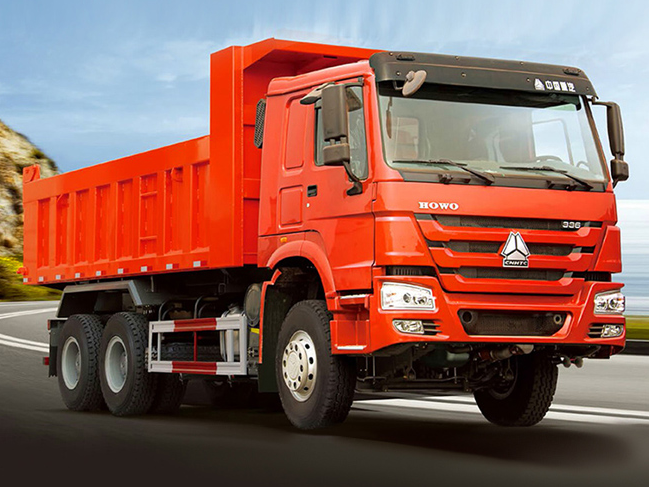
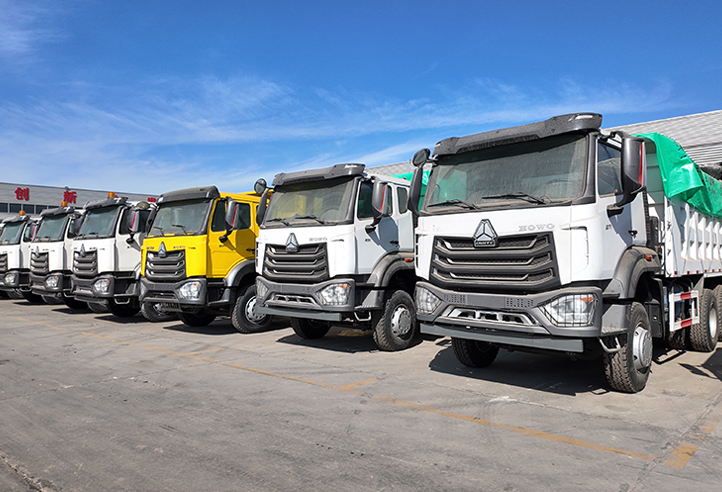
Importing used trucks from China can be a cost-effective solution for global fleet operators, construction companies, logistics businesses, and industrial contractors looking to expand transportation capacity. However, successful truck importation requires more than finding a low purchase price. Buyers need to evaluate vehicle condition, supplier reliability, export procedures, shipping arrangements, and local operating requirements before completing a purchase.
A professional import process starts with selecting the right truck type, verifying supplier capability, inspecting vehicle condition, preparing required documents, and planning international transportation. Buyers who follow a structured sourcing process can reduce risks, avoid unexpected costs, and acquire commercial vehicles that deliver reliable performance in their target markets.
China has become an important sourcing market for used commercial trucks because of its large vehicle supply, competitive pricing, diverse truck configurations, and established manufacturing ecosystem. From dump trucks for construction projects to tractor trucks for logistics operations, international buyers can access a wide range of options when working with experienced suppliers.
The most important factor in importing used trucks is choosing a reliable sourcing partner rather than focusing only on vehicle price. A professional supplier should help buyers understand truck specifications, previous usage conditions, inspection results, and export requirements.
Before starting the purchasing process, buyers should define:
Required truck category and application
Payload requirements
Operating environment
Destination country regulations
Expected maintenance capability
Budget and fleet expansion goals
Different industries require different truck configurations. A mining company may need heavy-duty dump trucks with strong chassis structures, while a logistics company may prioritize fuel efficiency and long-distance transportation performance.
China has developed one of the largest commercial vehicle manufacturing industries in the world. This creates advantages for overseas buyers looking for affordable and practical heavy-duty vehicles.
| Import Advantage | Benefit for Global Buyers |
|---|---|
| Competitive Pricing | Lower acquisition costs compared with purchasing new trucks in many markets. |
| Wide Vehicle Selection | Access to different truck categories including dump trucks, tractor trucks, mixer trucks, and special vehicles. |
| Strong Manufacturing Supply Chain | Reliable availability of components, maintenance knowledge, and technical resources. |
| Export Experience | Professional suppliers understand international shipping and documentation procedures. |
For fleet buyers, importing used trucks is often a strategy to improve transportation capacity while controlling capital investment. However, the success of the purchase depends heavily on vehicle selection and supplier evaluation.
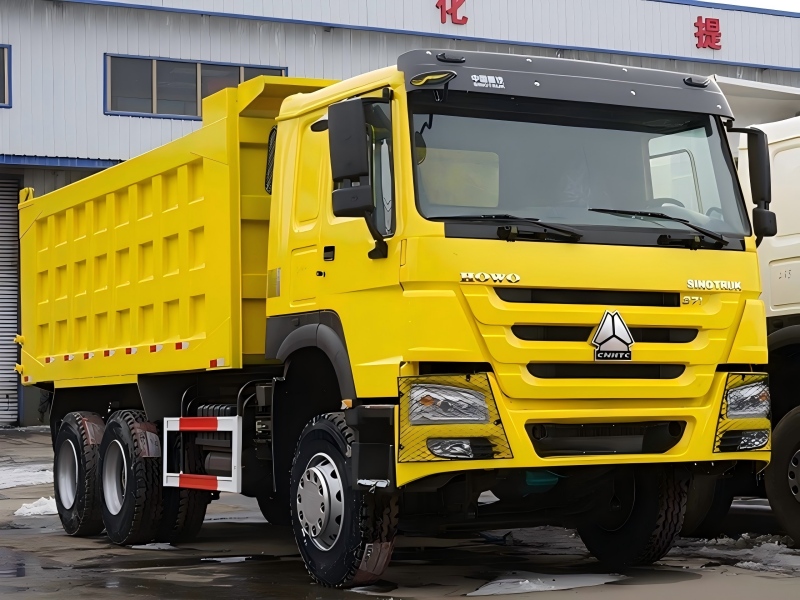
Selecting the correct truck type is the first major decision in the import process. Buyers should choose vehicles according to their business application instead of selecting models based only on availability or price.
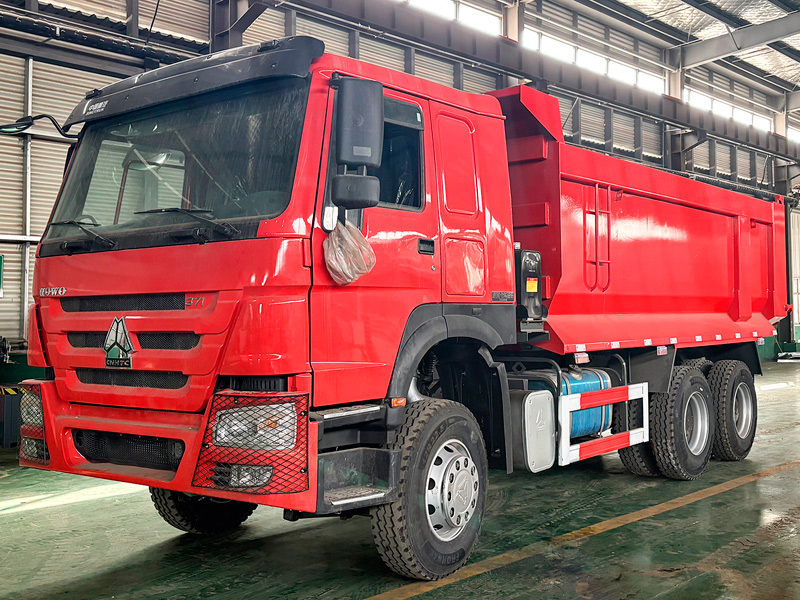
Dump trucks are widely used for transporting sand, gravel, minerals, construction materials, and other heavy loads. They require strong chassis structures, reliable hydraulic systems, and durable drivetrain components.
Construction and mining companies should evaluate:
Payload capacity
Drive configuration
Dump body condition
Hydraulic lifting performance
Previous working environment
Long-distance transportation companies usually focus on fuel efficiency, engine reliability, driving comfort, and maintenance availability.
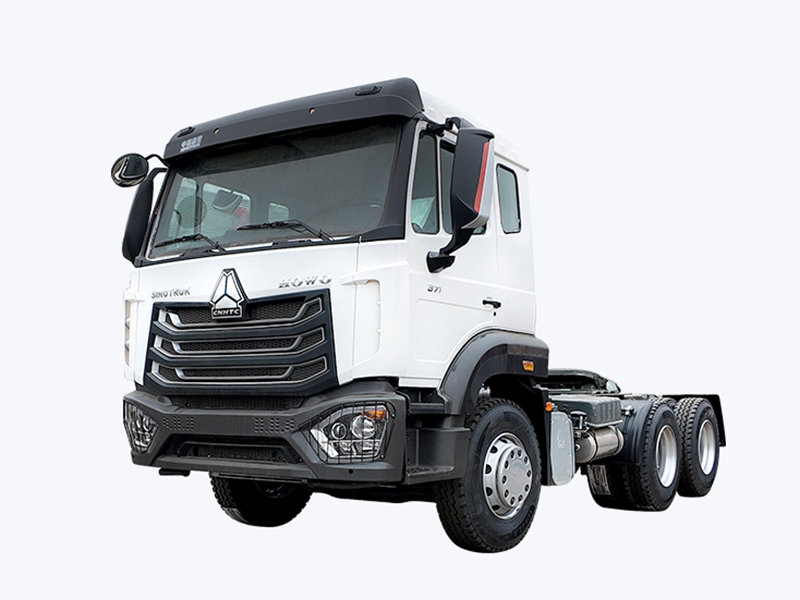
When expanding international transportation fleets, many buyers evaluate used tractor truck options based on route conditions, cargo requirements, and operating costs.
Some businesses require specialized vehicles such as mixer trucks, tanker trucks, or other commercial configurations. These vehicles should be selected based on industry requirements and local operating conditions.
Supplier verification is one of the most important steps in international truck purchasing. A reliable supplier should provide transparent information and demonstrate experience in commercial vehicle exports.
Before cooperation, buyers should evaluate:
| Evaluation Area | What Buyers Should Check |
|---|---|
| Company Experience | Years in the truck industry, export markets, product range |
| Vehicle Information | Specifications, photos, inspection reports, maintenance details |
| Communication Ability | Technical understanding and response efficiency |
| Export Capability | Documentation support and shipping coordination experience |
Experienced suppliers do not simply provide vehicles. They help customers select suitable trucks based on actual working conditions and long-term operational needs.
A successful used truck import process requires careful planning from vehicle selection to final delivery. International buyers should understand each stage before placing an order because mistakes during sourcing, inspection, or shipping can increase costs and create unnecessary delays.
The typical import process includes:
| Import Stage | Main Actions |
|---|---|
| 1. Requirement Analysis | Define truck type, application, specifications, quantity, and destination requirements. |
| 2. Supplier Selection | Evaluate suppliers based on experience, inventory, inspection ability, and export capability. |
| 3. Vehicle Inspection | Check mechanical condition, structure, maintenance history, and operating records. |
| 4. Purchase Agreement | Confirm vehicle specifications, payment terms, documents, and delivery conditions. |
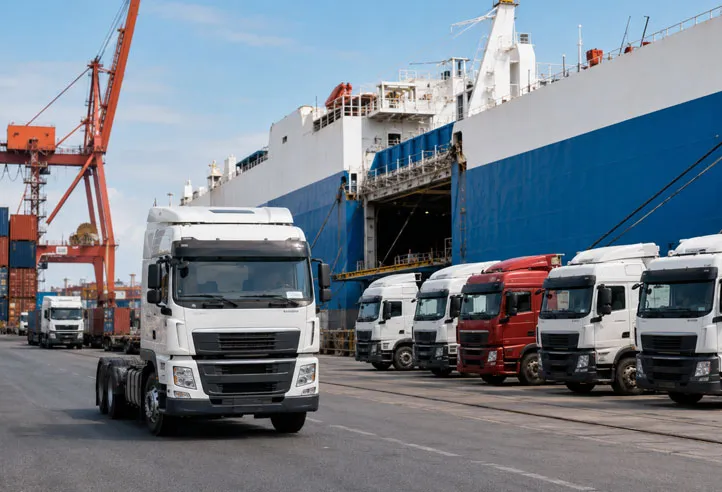
| 5. Shipping Preparation | Arrange export documents, transportation, and international shipment. |
| 6. Customs Clearance | Complete import procedures according to destination country regulations. |
A professional sourcing process reduces risks and helps buyers receive vehicles that match their actual business requirements.
Vehicle inspection is one of the most important steps before importing a used truck. Since buyers are often located thousands of kilometers away, they need reliable inspection information before making payment and arranging transportation.
A complete inspection should cover:
Engine operating condition
Transmission performance
Chassis and frame condition
Hydraulic system operation
Tire and brake condition
Electrical system functionality
Previous maintenance records
Professional suppliers should provide detailed photos, videos, specifications, and inspection information to help overseas buyers understand the actual condition of the vehicle.
For construction companies and industrial operators, evaluating used dump trucks for sale requires special attention to load history, dump body condition, hydraulic performance, and chassis durability.
Documentation requirements vary by destination country, but international buyers usually need several important documents to complete the import process.
| Document | Purpose |
|---|---|
| Commercial Invoice | Provides transaction details and vehicle value information. |
| Packing List | Lists shipment details and exported vehicle information. |
| Vehicle Certificate | Confirms vehicle specifications and ownership information. |
| Export Documents | Supports international shipment procedures. |
| Inspection Report | Provides vehicle condition verification before shipment. |
Working with suppliers familiar with international export procedures helps avoid documentation problems during customs clearance.
The total import cost includes more than the vehicle purchase price. Buyers should calculate the complete landed cost before making purchasing decisions.
| Cost Category | Factors Affecting Cost |
|---|---|
| Vehicle Price | Truck model, year, mileage, condition, and configuration |
| Inspection Cost | Professional inspection and verification services |
| Domestic Transportation | Moving the truck from supplier location to port |
| Shipping Cost | Destination country, shipping method, and vehicle size |
| Import Taxes | Local customs duties and government requirements |
Experienced buyers focus on total ownership value rather than choosing the lowest initial price. A cheaper truck with poor condition may create higher repair costs after arrival.
HOWO and SHACMAN are among the most recognized Chinese heavy-duty truck brands in international markets. Both provide reliable solutions, but their advantages may suit different applications.
HOWO trucks are commonly selected by businesses that need flexible transportation solutions. Their wide range of configurations makes them suitable for construction, logistics, and general commercial operations.
Advantages include:
Wide application range
Practical maintenance requirements
Strong market recognition
Multiple configuration options
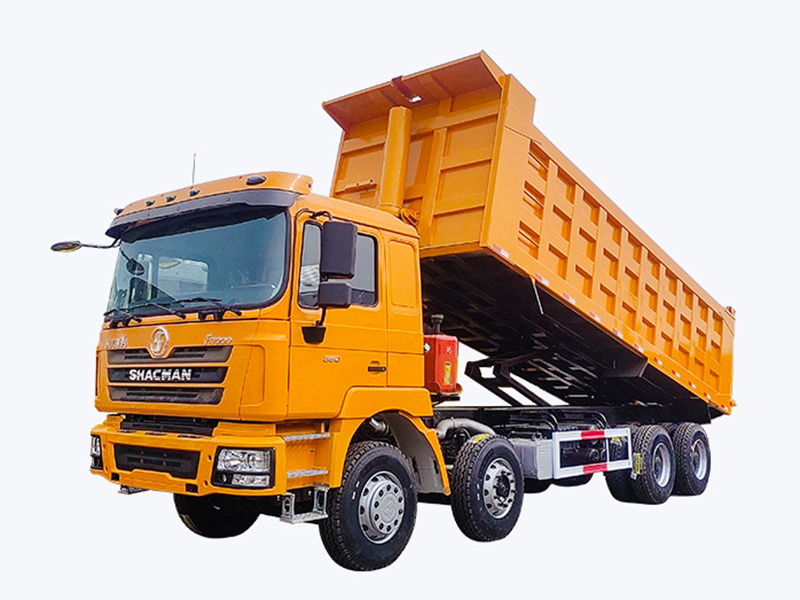
SHACMAN dump trucks are often considered by companies operating in demanding environments where durability and heavy-load performance are important.
They are commonly used in:
Mining projects
Large construction sites
Infrastructure development
Heavy material transportation
The final decision should be based on working conditions, payload requirements, road environment, and long-term operating goals.
Snail Truck Global specializes in supplying used commercial trucks from China and helping international customers complete the sourcing process with greater confidence.
The company understands that global buyers face challenges including vehicle selection, condition verification, export procedures, and communication across different markets.
Snail Truck Global supports customers through:
Truck recommendation based on application needs
Vehicle condition evaluation
Technical specification confirmation
Export documentation support
International shipping coordination
By combining industry knowledge with practical export experience, Snail Truck Global helps overseas customers identify suitable trucks for construction, mining, logistics, and transportation businesses.
Importing used trucks from China can provide cost advantages for international buyers because of competitive pricing and wide vehicle availability. However, profitability depends on proper vehicle selection, inspection, and import planning.
Choose suppliers with proven export experience, transparent vehicle information, professional communication, and the ability to provide inspection support.
Yes. Buyers can request inspection reports, detailed photos, videos, and third-party inspection services before shipment.
Common options include dump trucks, tractor trucks, cargo trucks, mixer trucks, and other commercial vehicles depending on market requirements.
The timeline depends on vehicle preparation, documentation, shipping schedule, and customs procedures in the destination country.
The biggest risks include inaccurate vehicle information, unsuitable truck selection, hidden mechanical problems, and incomplete import preparation.
Importing used trucks from China can provide global buyers with cost-effective solutions for expanding transportation capacity, upgrading fleets, and supporting construction or industrial projects. However, successful truck sourcing requires a professional approach that considers vehicle selection, inspection procedures, documentation requirements, shipping arrangements, and long-term operating conditions.
The most important step is choosing the right vehicle for the intended application. Different businesses have different requirements, and factors such as payload capacity, road conditions, maintenance capability, and working environment should guide the purchasing decision.
A reliable supplier plays a critical role throughout the import process. Professional suppliers help buyers verify vehicle conditions, understand technical specifications, prepare export documents, and reduce risks associated with international purchasing.
Snail Truck Global supports overseas customers by providing used commercial truck sourcing solutions from China. With practical experience in heavy-duty truck markets, the company helps global buyers find suitable vehicles for logistics, construction, mining, and transportation operations.
By following a structured import process and working with an experienced supplier, international buyers can build stronger fleets while achieving better control over investment costs and operational reliability.
 English