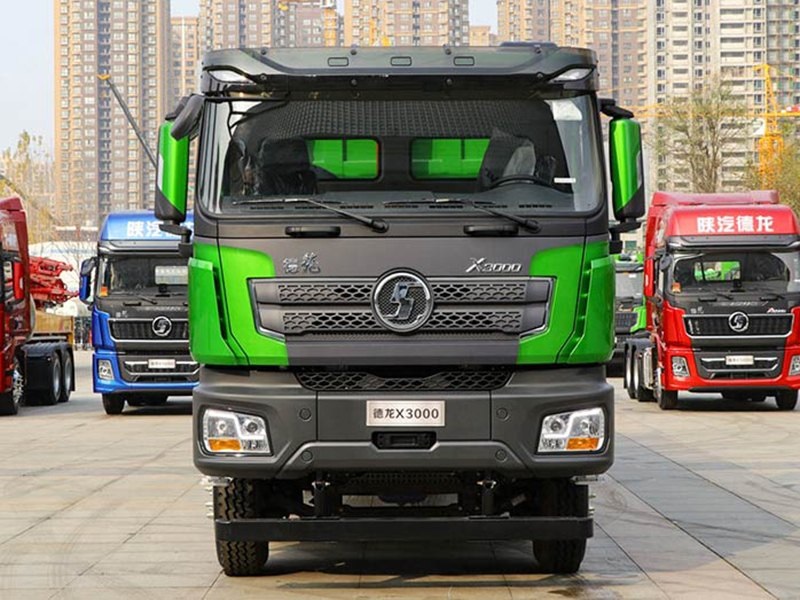
A successful China used truck import should be managed as a controlled project with defined truck specifications, unit identity, inspection criteria, refurbishment scope, payment milestones, export documents, measured shipping dimensions, loading evidence, destination compliance, and arrival commissioning. Choose container, open-top or flat-rack equipment, RoRo, or bulk shipment only after the final truck dimensions, weight, port capability, schedule, and handling risks are confirmed. The buyer, supplier, inspector, freight forwarder, customs broker, and receiving team should each have written responsibilities and deadlines.
Buying a truck and importing a truck are related but different tasks. A mechanically acceptable vehicle can still miss a vessel because its dimensions were measured too late, its paperwork does not match the chassis number, or the destination broker did not receive the required documents. A smooth shipment can still produce a poor fleet result if the selected truck does not match local roads, legal axle loads, fuel quality, service capability, or trailer connections.
This guide presents the transaction as an end-to-end workflow. It is designed for contractors, transport companies, mining and construction fleets, distributors, and importers sourcing second hand trucks for sale from China. It covers the project from requirement definition to the first operating weeks after arrival, with decision gates that reduce expensive surprises.
A used-truck export project starts with a written project brief that defines the vehicle duty, destination law, quantity, timing, budget, acceptance method, commercial terms, and responsible parties before stock is reserved.
The project brief should be short enough to use but detailed enough to control quotation. Include truck type, brand preferences, axle configuration, horsepower, body or trailer interface, payload or gross-combination target, left-hand or right-hand drive, emissions requirement, acceptable year and condition, quantity, spare parts, destination country and port, required arrival date, and inspection level.
Describe the application. A 6x4 dump truck moving aggregate on a quarry road needs different tires, cooling, body, suspension, and inspection emphasis from a tractor pulling containers on paved highways. A concrete mixer requires drum, reducer, hydraulic, water, and blade inspection. A tanker needs tank, pump, piping, spray, cleanliness, and application review. The supplier should not recommend the same stock from a one-line request such as “send your best price.”
Confirm who makes each decision. The procurement team may approve commercial terms, operations defines the duty, maintenance reviews components and parts, compliance checks registration, finance controls payment, the inspector verifies condition, the forwarder plans shipping, and the broker confirms import documents. When one person informally covers all roles, important checks are more likely to be missed.
A practical project brief includes:
Business purpose and project location.
Truck category, configuration, quantity, and acceptable alternatives.
Road, gradient, climate, daily duty, and material or trailer.
Destination-country legal and registration requirements.
Required inspection, refurbishment, test, and evidence.
Budget range and whether it covers truck, freight, taxes, and commissioning.
Target shipment and arrival dates.
Payment method and approval milestones.
Required warranty, spare parts, manuals, and training.
Named buyer, supplier, inspector, forwarder, broker, and receiving contacts.
Supplier verification confirms the legal business, operating location, authorized representatives, bank account, stock access, export capability, communication channels, and transaction history before a buyer commits funds.
Verify the company name shown on the contract and invoice. Confirm its address, phone, email domain, responsible salesperson, and bank beneficiary. Changes to payment instructions should be independently verified through a known communication channel. A professional website and active social account can support identity, but they do not replace contract and bank checks.
Ask whether the supplier owns the stock, controls it under consignment, or sources it after order. Each model can work, but the quotation should state when a chassis number becomes fixed and what happens if a proposed unit is unavailable. Unit identity is especially important where the buyer approves a specific video, inspection, or condition.
Snail Truck states that it was founded in 2016 and operates from Liangshan County in Shandong Province, a major used commercial-vehicle trading area. Its website reports a site of approximately one million square meters, exports to more than 89 countries, annual export capacity of 10,000 trucks, and annual market transaction volume above 70,000 trucks. These are company-published scale figures. Buyers should connect them to the actual project by requesting company documents, a live facility view, unit-specific stock evidence, recent shipment examples, and written transaction terms.
Review communication quality during verification. A capable supplier should ask about payload, road, trailer, port, drive side, emission requirements, inspection, and delivery timing before making a final recommendation. Rapid responses are useful, but technically relevant questions are a stronger sign than a fast generic quotation.
Stock matching compares each available truck’s exact configuration, identity, condition, and preparation potential with the buyer’s written duty and legal requirements.
Use a comparison sheet rather than messaging screenshots. Each candidate row should include chassis number, model, year, drive configuration, engine, horsepower, transmission, axle ratio where available, emission standard, cab, tire size and condition, body or fifth-wheel specification, dimensions, weight, current defects, proposed refurbishment, price, availability, and document status.
Separate mandatory and preferred requirements. Correct drive side, registration eligibility, safe braking, and structural acceptance may be mandatory. Brand color, cabin trim, or a narrow year range may be preferred. This distinction prevents a visually attractive truck from displacing one that better fits the duty.
Ask for current, unit-specific media. Photographs should show all sides, chassis number or VIN, engine plate, instrument panel, engine bay, frame, axles, tires, cab, body or fifth wheel, and known defects. A continuous video can show that the identification plate, cold start, instruments, controls, and road test belong to the same truck. Catalogue pictures are useful for model recognition but should not be used as condition evidence.
For batch orders, define acceptable variation. Ten used trucks may not have identical year, mileage, tire brand, or interior. State which variables must be identical, which can fall within a range, and how price or parts packages change when configurations differ. Fleet commonality can reduce training and spare-parts complexity, so excessive variation should be priced as an operating cost.
Inspection and refurbishment evidence is the unit-specific record of initial condition, tests, defects, approved repairs, replaced parts, retesting, and final delivery status.
Inspection should occur before irreversible cosmetic work hides original condition. The scope depends on truck type, but every heavy truck should cover identity, cold start, engine, cooling, intake, exhaust, transmission, clutch, driveline, axles, differential locks, steering, brakes, suspension, frame, wheels, tires, electrical systems, cabin safety, diagnostics, road performance, leaks, and documents.
Truck-specific systems require additional checks. Dump trucks need body, subframe, hinge, tailgate, cylinder, PTO, pump, reservoir, hoses, tipping stability, and repeated lift cycles. Mixer trucks require the drum, internal blades where inspection is possible, reducer, hydraulic pump and motor, rollers, control system, water tank, wash system, and rotation under representative conditions. Tanker trucks require tank integrity, internal condition, baffles, pump, valves, piping, hoses, spray bars, nozzles, access, drain, and application-specific cleanliness.
Refurbishment should be defined by condition. Snail Truck describes a 10-step refurbishment process on its website. A buyer should convert that general process into a unit-level work order showing what was inspected, repaired, replaced, adjusted, cleaned, painted, and tested. Useful evidence includes before-and-after photographs, diagnostic reports, measurements, part descriptions, fluid and filter records, road-test data, final inspection, and approved deviations.
Use defect grades:
A: Meets requirement and is accepted.
B: Routine service or minor adjustment with no material acceptance concern.
C: Repair and retest required before delivery.
D: Safety, legal, identity, or structural stop requiring rejection or formal corrective action.
U: Unknown because access, testing, or records are insufficient.
Each C, D, or U item should have a responsible party, due date, evidence, and buyer decision. Payment milestones can be linked to fixed chassis numbers, completed inspection, approved refurbishment, final acceptance, and shipping documents. This creates commercial control without asking either party to rely on trust alone.

Special-purpose truck export checks verify both the base chassis and the working body, because the truck’s commercial value depends on the complete machine rather than the chassis alone.
When sourcing a used mixer truck for sale, record drum volume, geometric capacity, practical mixing capacity, drum shell condition, weld repairs, internal blade wear, reducer, hydraulic pump, hydraulic motor, oil cooler, rollers, ring gear where applicable, control direction, water tank, wash hose, and chute. Rotate the drum in both directions, listen for abnormal noise, check leakage and temperature, and verify that the controls respond from each operating position.
A mixer can have an acceptable chassis and a worn drum system that causes poor discharge, slow operation, contamination, or hydraulic failure. Conversely, a recently repaired drum does not compensate for engine, transmission, brake, or frame defects. The inspection report should separate chassis and mixing-system grades.
For a used water tanker truck for sale, define the water application before selecting the unit. Construction dust suppression, road washing, landscape irrigation, firefighting support, and potable-water transport can require different tank materials, coatings, cleanliness, pumps, hoses, fittings, and legal approvals. Do not assume that a tank previously used for industrial water can be converted to potable use through normal cleaning.
Inspect tank corrosion, cracks, mounting, baffles, access, drain, level indication, pump, suction, valves, piping, spray bar, front and rear nozzles, hose reel, and control system. Conduct a leak and function test with a safe medium. Record pump performance under stated conditions and verify protection against dry running or freezing where relevant.
The commercial contract allocates product, price, inspection, delivery, risk, document, payment, warranty, and dispute responsibilities between buyer and seller.
Use the current Incoterms rule agreed by the parties and state the named place or port precisely. A term such as FOB or CIF does not by itself define truck condition, inspection, destination registration, unloading, or local charges. Add a project schedule and responsibility matrix.
The contract should identify each truck or explain when chassis numbers will be assigned. Attach the specification, condition standard, refurbishment list, inspection scope, photo or video evidence requirements, spare-parts list, and warranty. State how substitutions are approved. A seller should not replace an inspected truck with a similar unit without written buyer acceptance.
Payment milestones can be aligned to verifiable events. An example structure is deposit after contract and supplier verification, progress payment after fixed unit identification and approved inspection, further payment after refurbishment and final acceptance, and balance against agreed shipping or document milestones. The exact structure depends on commercial negotiation, bank instruments, relationship, and jurisdiction. Avoid transferring funds solely because a shipping date is approaching when acceptance evidence is incomplete.
Define defect remedies before problems occur. Options can include repair, replacement, price adjustment, spare parts, extended support, shipment postponement, or rejection. State who pays inspection, storage, port, and schedule costs when a truck fails acceptance. Written change control protects both parties when the buyer changes configuration or the supplier discovers hidden condition issues.
Export documentation is the coordinated set of commercial, vehicle, customs, transport, inspection, origin, and destination records required to move and register the exact trucks in the transaction.
Document requirements vary by country, vehicle status, shipping method, and contract. The buyer should obtain a written list from the destination customs broker and registration authority before payment. The supplier and forwarder should then confirm which party prepares each document and when originals or electronic copies are required.
Common records may include:
Commercial invoice.
Packing list showing each chassis number and any separately packed parts.
Vehicle title, registration cancellation, ownership, or export eligibility documents as applicable.
Sales contract and payment evidence.
Bill of lading or sea waybill.
Certificate of origin where required.
Inspection, condition, roadworthiness, or conformity certificates where required.
Export customs declaration and supporting records.
Insurance certificate when included.
Fumigation, cleaning, or quarantine evidence where applicable.
Engine and chassis identification records.
Destination permits, pre-shipment inspection, or import licenses.
Names, quantities, chassis numbers, weights, package descriptions, and consignee information must be consistent across documents. A typographical error in one chassis number can delay customs clearance or registration. Create a master document register with version, responsible party, issue date, approval, original location, courier tracking, and destination recipient.
Do not copy a document package from a previous country without review. Import restrictions, age limits, emissions, drive-side rules, taxes, pre-shipment inspection, valuation, and registration requirements can change. Use current official sources and a qualified local broker.
Shipping-method selection compares the truck’s final dimensions, weight, operability, port and vessel capability, handling, protection, schedule, documentation, and total landed cost.
RoRo allows wheeled cargo to be driven or towed on and off a suitable vessel. It can reduce dismantling and provide straightforward handling for operable trucks, but availability depends on trade lane, ports, schedules, vehicle condition, fuel and battery rules, and carrier requirements. Access to the vehicle during transit is controlled, and loose parts must be secured or packed separately.
Standard containers can provide enclosed protection, but many heavy trucks exceed internal dimensions or payload limits unless partially dismantled. Open-top containers can accommodate over-height cargo when width and length fit. Maersk’s published 40-foot open-top example lists approximate internal dimensions of 11.81 meters long, 2.19 meters wide, and 2.34 meters high with a maximum payload around 28,600 kilograms; an open-top high-cube example increases internal height to approximately 2.65 meters. Container series and carriers vary, so the actual equipment data and approved out-of-gauge plan must be used.
Flat racks can handle over-width or over-height vehicles and allow side or top loading, but securing, weather exposure, lifting, port handling, and out-of-gauge surcharges require careful planning. Bulk or breakbulk transport may suit large batches, oversize trucks, or routes without suitable RoRo service, but lifting, lashing, discharge, and handling risk must be engineered.
| Shipping Method | Typical Strengths | Key Limitations | Best-Fit Questions |
|---|---|---|---|
| RoRo | Limited dismantling, drive-on/drive-off handling, useful for operable wheeled cargo | Trade-lane availability, port access, schedule, operability, carrier rules | Is suitable RoRo service available at both ports and can the truck safely move? |
| Standard container | Enclosed protection, standardized handling, broad network | Heavy trucks may exceed length, width, height, door, or payload limits | Can the truck fit after approved dismantling without creating excessive reassembly risk? |
| Open-top container | Supports over-height loading when length and width fit | Top exposure, out-of-gauge approval, lashing and payload limits | Do final measured dimensions fit the exact equipment series? |
| Flat rack | Handles over-width and over-height cargo, flexible loading access | Weather exposure, securing, lifting and OOG charges | Are lifting, blocking, bracing, and lashing engineered and approved? |
| Bulk or breakbulk | Can suit large batches and oversize units | More handling interfaces, lifting risk, variable schedule and port capability | Who controls lifting points, stowage, lashing, discharge, and damage survey? |
Measure the final truck after refurbishment and any accessories are installed. Record overall length, width, height, wheelbase, ground clearance, curb or shipment weight, center-of-gravity concerns, lifting points, lashing points, and whether the vehicle runs, steers, and brakes. Photographs and a dimensioned drawing help the forwarder and carrier approve the plan.
Verified Gross Mass, or VGM, is the verified total mass of a packed container required under the SOLAS framework before the container is loaded onto a ship.
The International Maritime Organization explains two permitted methods. Method 1 weighs the packed container after loading. Method 2 weighs all packages, cargo items, pallets, dunnage, and securing material and adds the container tare mass using a certified method approved by the relevant state. The shipper identified on the bill of lading is responsible for providing the verified mass in a signed shipping document under the applicable process.
The SOLAS VGM requirement entered into force on July 1, 2016. A packed container without an available VGM may not be loaded, subject to the applicable carrier, terminal, and national arrangements. For a dismantled truck shipment, the calculation must include the truck, removed wheels or components, spare parts, timber, steel supports, chains, straps, tools, packaging, and all other material inside the container.
Do not use catalogue vehicle weight as the only input. Refurbishment, fuel, additional tank, body, spare parts, removed components, and securing material change shipment mass. Weigh the actual cargo according to the approved process and keep the weight records with the loading file.
Loading and securing control how the truck is moved, supported, blocked, braced, lashed, protected, and documented so that it remains stable through transport and handling.
The forwarder and carrier should approve the loading concept. Use suitable ramps, lifting equipment, rated slings, spreader beams, forklifts, cranes, wheel chocks, timber, steel supports, chains, straps, and lashing points. Never improvise lifting from unapproved body, axle, suspension, or cab points. Heavy vehicles can have high and uneven centers of gravity, especially dump or mixer trucks.
If wheels, mirrors, exhaust, fuel tanks, body parts, fifth wheels, cabins, or other components are removed, document the method. Protect open fluid, air, intake, exhaust, and electrical connections. Label hardware and parts by chassis number. Provide reassembly instructions, torque requirements, fluids, calibration needs, and tools to the receiving team.
For each unit, create a loading photo set:
Four-side and identification photos before loading.
Instrument reading and fuel level.
Condition of glass, mirrors, lights, tires, cab, and body.
Removed parts and packing.
Loading or lifting process.
Blocking, chocking, bracing, and lashing details.
Container number or vessel position where available.
Final door, seal, or handover condition.
A third-party loading survey can be useful for high-value or complex shipments. Its scope should state whether the surveyor checks cargo condition, dimensions, equipment, loading method, lashing, seal, and document consistency. Photographs without a scope and findings may not identify an unsafe method.
Destination planning confirms that the trucks, documents, funds, permits, broker instructions, port handling, inland transport, and registration path are ready before the vessel arrives.
Engage the customs broker early. Provide candidate truck data before purchase so the broker can identify restrictions, age limits, valuation rules, emissions, drive-side requirements, pre-shipment inspection, taxes, and required originals. Ask for a written estimate that separates duty, VAT or sales tax, port charges, storage, inspection, broker fees, transport, registration, and potential modification.
Check port capability. Can the port discharge RoRo, flat rack, open-top, or breakbulk cargo? Are cranes, ramps, lowbed trailers, towing vehicles, forklifts, and storage areas available? What are free-time and demurrage rules? Who can collect keys and documents? A low ocean-freight rate can be offset by difficult destination handling.
Plan inland transport from the port. An unregistered truck may not be permitted to drive on public roads. It may require a lowbed, temporary permit, police escort, or dimensional approval. Confirm bridge, road, height, and weight restrictions. For dismantled trucks, choose a safe reassembly site with lifting equipment, technicians, parts, fluids, and security.
Track the vessel and document deadlines. Provide scanned documents before arrival, but confirm whether originals are needed. Keep a shared arrival checklist and escalate discrepancies before free time expires. Delayed document correction can create storage and demurrage costs larger than the original paperwork fee.
Arrival commissioning verifies transport condition, reassembles removed components, completes fluids and safety checks, confirms legal compliance, establishes a maintenance baseline, and releases the truck for controlled operation.
Inspect the cargo before moving it where practical. Compare the truck with pre-shipment photographs and note damage, missing parts, broken seals, fluid leakage, low tires, discharged batteries, corrosion, or movement of securing. Follow carrier and insurer notice procedures immediately when damage is suspected. Do not wait until the truck has been repaired or operated.
After discharge, complete an identity and inventory check. Match chassis numbers, keys, documents, spare parts, tools, removed components, and accessories. Reassembly should follow written instructions and use correct fasteners, torque, fluids, seals, and safety procedures. Function-test every reinstalled system.
Before road use, repeat safety and mechanical checks. Inspect fluids, batteries, tires, wheels, steering, brakes, lights, mirrors, seat belts, air pressure, coupling, body or working system, and diagnostic faults. Shipping vibration and storage can loosen connections or reveal leaks. Complete destination statutory inspection and registration before commercial operation.
Establish a maintenance baseline. Replace or sample fluids according to the agreed plan, record filter dates, inspect belts and hoses, set tire pressures, lubricate points, and enter the unit into the fleet-management system. Record the starting mileage or hours, component identification, defects, spare parts, and next service.
Use a controlled break-in period for the fleet’s first operating days. Assign experienced drivers, avoid maximum duty until checks are complete, monitor temperatures, pressure, fuel, smoke, leaks, faults, tire wear, brake balance, hydraulic behavior, and driver feedback. Reinspect fasteners, wheel nuts, fluid levels, filters, and lashing-related areas after initial operation.
A milestone timeline links technical and commercial approvals to dates, owners, evidence, and payment so that the project can be controlled from inquiry to fleet release.
| Milestone | Primary Owner | Required Evidence | Release Decision |
|---|---|---|---|
| 1. Project brief approved | Buyer | Duty, law, quantity, budget, schedule | Supplier may shortlist stock |
| 2. Supplier verified | Buyer/finance | Company, bank, facility, references | Commercial negotiation may proceed |
| 3. Candidate units identified | Supplier | Chassis numbers, specification, media | Inspection units fixed |
| 4. Destination compliance review | Broker/compliance | Import and registration checklist | Units eligible for purchase |
| 5. Initial inspection | Inspector/supplier/buyer | Report, faults, tests, grades | Refurbishment scope approved |
| 6. Contract and deposit | Buyer/supplier | Signed specification, terms, milestones | Work begins |
| 7. Refurbishment completed | Supplier | Work order, parts, photos, retest | Final inspection scheduled |
| 8. Final acceptance | Buyer/inspector | Accepted report, deviations, videos | Shipping release |
| 9. Shipping plan approved | Forwarder/carrier | Dimensions, weight, loading and lashing plan | Booking confirmed |
| 10. Loading and documents | Supplier/forwarder | Photos, VGM where applicable, B/L data, export records | Cargo departs |
| 11. Customs and discharge | Broker/receiver | Arrival notice, originals, permits, damage check | Cargo released |
| 12. Commissioning | Receiving fleet | Reassembly, inspection, registration, baseline service | Truck enters controlled operation |
The timeline should include float for inspection repairs, carrier schedule changes, document corrections, and destination clearance. Shipping dates should not force acceptance of an unresolved safety, identity, or legal issue. A delayed correct truck is generally less damaging than an on-time truck that cannot be registered or operated.
Export mistakes are preventable gaps in specification, identity, inspection, documents, measurement, responsibility, or arrival preparation that create cost, delay, dispute, or unsafe operation.
Buying from photos: Prevent by fixing chassis numbers and requiring unit-specific inspection and continuous video evidence.
Choosing only by purchase price: Prevent by modeling refurbishment, freight, import, repairs, downtime, and residual value.
Checking destination law after purchase: Prevent through broker and registration review before deposit.
Using generic “fully refurbished” wording: Prevent with a defect list, work order, test, and acceptance criteria.
Measuring before final preparation: Prevent by remeasuring after body, tires, accessories, and removed parts are finalized.
Mismatch between physical truck and documents: Prevent with a chassis-number master register and document cross-check.
Assuming a container will fit: Prevent with exact equipment specifications, payload, door opening, OOG approval, and loading plan.
Ignoring removed-part reassembly: Prevent with labels, packing lists, photos, instructions, fasteners, torque, tools, and technicians.
No damage baseline: Prevent with pre-loading and arrival photographs and prompt survey notices.
No commissioning plan: Prevent with arrival inspection, baseline maintenance, driver training, and controlled first operation.
Export-project support combines stock selection, unit evidence, refurbishment, inspection coordination, documentation, shipping preparation, and communication around a written buyer requirement.
Snail Truck supplies used HOWO, SHACMAN, HOHAN, dump, tractor, mixer, tanker, and other heavy-truck categories for international buyers. The company’s public information emphasizes a large trading base, broad export reach, annual supply capacity, and multi-step refurbishment. These capabilities are most valuable when they are applied to a defined project rather than a general request.
Send a project brief with the truck type, brand range, configuration, application, quantity, legal requirements, destination port, timing, budget, inspection, spare parts, and warranty needs. Snail Truck can then identify candidate units and prepare a comparison. Ask for exact chassis numbers, specification, condition, refurbishment, current photos and videos, shipping dimensions, and document status.
For batch orders, define a sample or pilot process. Approve one or several reference units, inspect them carefully, and use the findings to refine the batch standard. Maintain the same report format and defect grading across all units. A consistent acceptance system is more scalable than negotiating each truck through separate messages.
These frequently asked questions address supplier verification, inspection, shipping, VGM, documents, and arrival planning for used trucks exported from China.
Verify the supplier’s legal identity, operating location, bank account, authorized contact, stock access, contract, and transaction terms. Fix the exact truck by chassis number, obtain current unit-specific photos and video, complete destination compliance review, inspect condition, agree refurbishment and acceptance, and connect payment to verifiable milestones. Independently confirm any change in payment instructions.
No. RoRo can be efficient where suitable services and ports exist, but cost depends on route, dimensions, schedule, handling, port charges, vehicle condition, and destination transport. Container, open-top, flat-rack, bulk, or breakbulk may be better in other cases. Compare total landed cost and risk using final measured dimensions and carrier quotations.
Some trucks may fit only after approved dismantling, while many exceed standard internal dimensions, door openings, or payload. Open-top or flat-rack equipment may handle over-height or over-width cargo, subject to carrier approval. Measure the final unit, check the exact container series, include securing material in weight, and plan safe dismantling and reassembly.
Under the SOLAS VGM framework, the shipper named on the bill of lading is responsible for providing the verified gross mass using an approved method and signed shipping document. Operational processes vary by country, terminal, and carrier. The project team should confirm who weighs the packed container or calculates Method 2 and when the VGM must be submitted.
The exact list varies. Common documents can include invoice, packing list, vehicle ownership or cancellation records, export customs documents, bill of lading, certificate of origin, inspection or conformity documents, insurance, and destination import permits. Obtain a current written list from the destination broker and registration authority before purchase, then cross-check chassis numbers and descriptions across every record.
Inspect for shipping damage, match chassis numbers, keys, documents, spare parts, and removed components, complete safe reassembly, repeat fluids and safety checks, scan faults, perform statutory inspection and registration, establish a maintenance baseline, train drivers, and run a controlled initial operating period. Record any damage promptly under carrier and insurance procedures.
A well-managed China used trucks import is a sequence of evidence-based decisions that connects vehicle duty, unit condition, legal compliance, contract, shipment, documents, and fleet commissioning.
Start with a written project brief and destination review. Verify the supplier and bank information, then fix candidate trucks by chassis number. Inspect before cosmetic work, define refurbishment by defect, and release payment through agreed milestones. Select RoRo, container, open-top, flat rack, or bulk transport only after final measurements, weight, carrier approval, and destination handling are known.
Create a master register for trucks, defects, work, documents, shipment, and arrival tasks. Assign responsibilities to Snail Truck, the buyer, inspector, forwarder, broker, and receiving fleet. Keep photographs and reports at each handover. After arrival, repeat safety checks and commission the truck under controlled operation.
Snail Truck can support the process by matching stock to the duty, documenting unit condition, coordinating refurbishment and inspection, and preparing export shipment. Send the application, configuration, quantity, destination, timing, and acceptance standard to receive a project-specific proposal instead of a generic truck list.
The following sources provide official container-weight and special-cargo guidance plus general bill-of-lading background; current carrier, port, customs, and destination rules must also be confirmed.
1. International Maritime Organization, Verification of the Gross Mass of a Packed Container: https://www.imo.org/en/OurWork/Safety/Pages/Verification-of-the-gross-mass.aspx
2. Maersk, Out-of-Gauge and Special Cargo: https://www.maersk.com/industry-sectors/special-cargo/out-of-gauge-cargo
3. Wikipedia, Bill of Lading: https://en.wikipedia.org/wiki/Bill_of_lading
 English