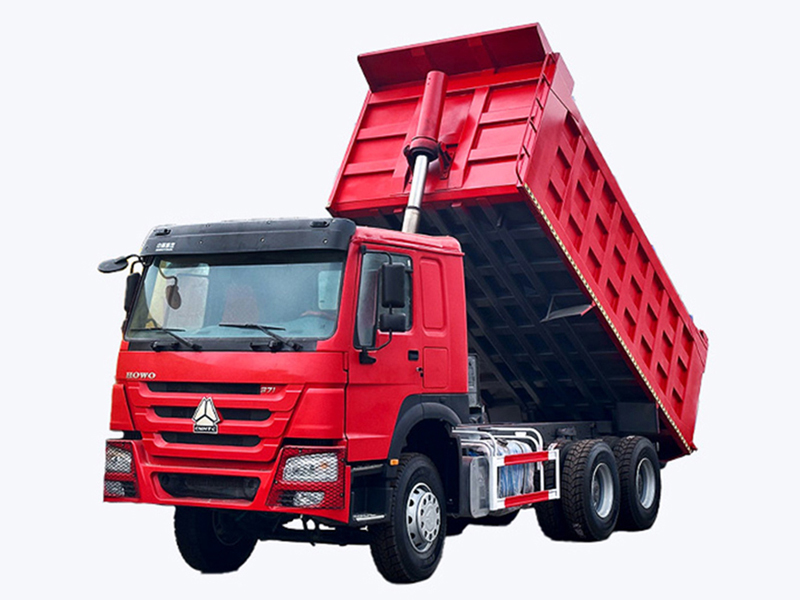
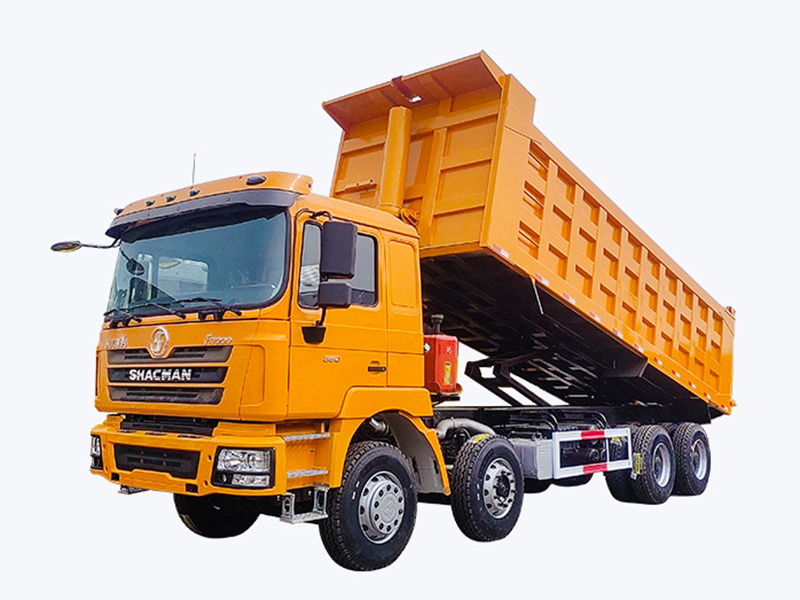
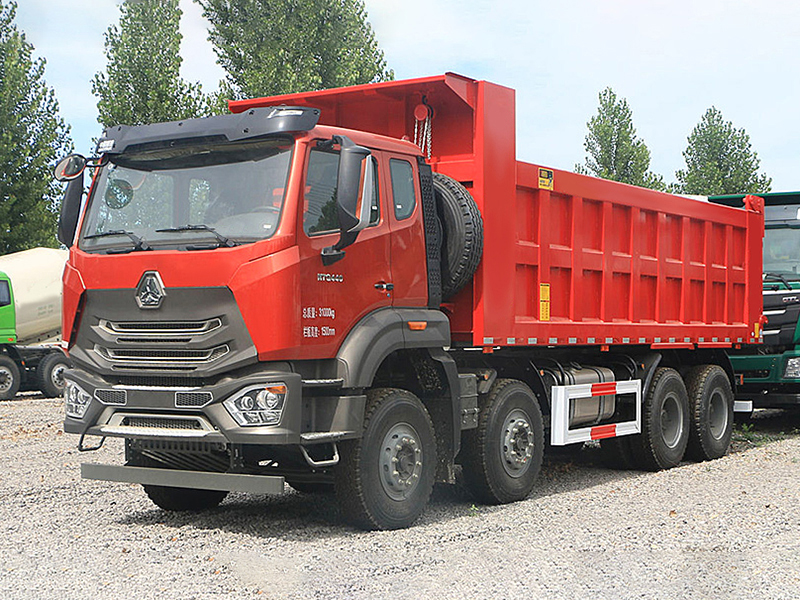
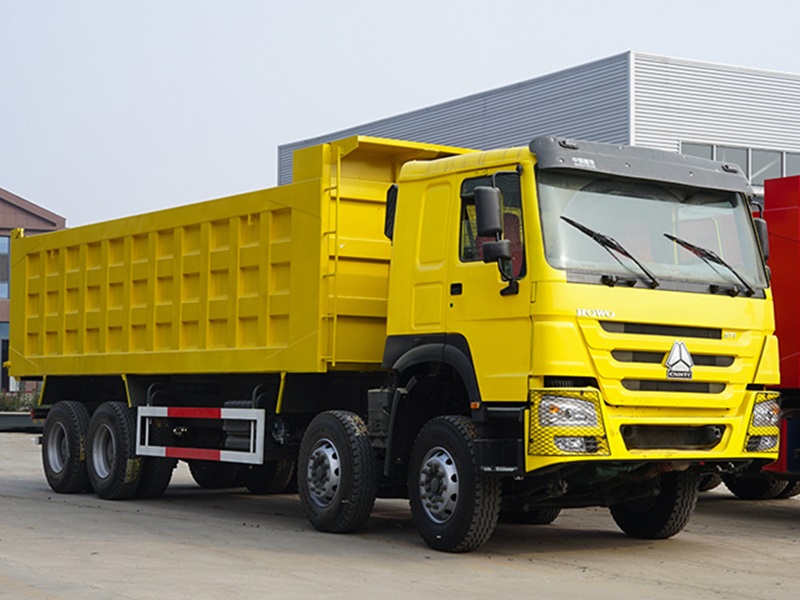
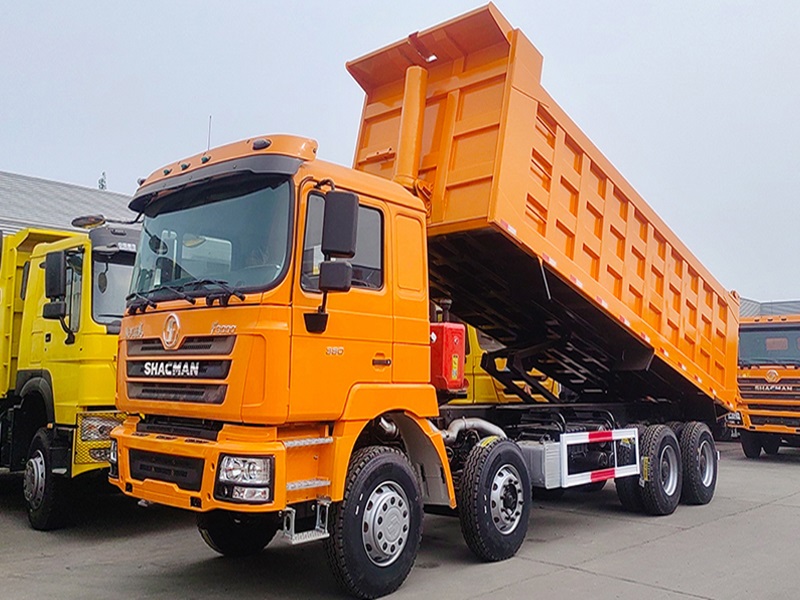
A used truck is only a bargain if it works reliably on site. In 2026, buyers searching for a HOWO truck for sale face a wide quality spread — from simple paint refresh units to properly inspected and reconditioned trucks with verified performance. This guide shows how to evaluate a used HOWO truck using practical job-readiness standards: what to inspect, what documents to request, and how to confirm refurbishment quality before export.
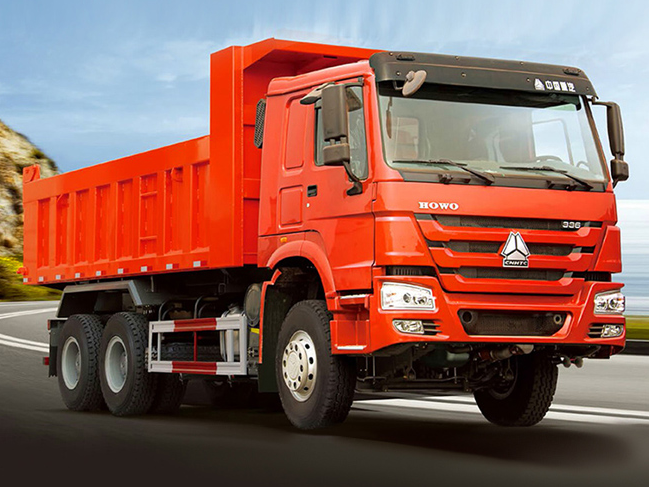
The word "refurbished" is used loosely in the used truck market. Understanding what it should mean — and what it often means in practice — is the first step in protecting your purchase.
| Refurbishment Type | What Was Done | What Was Not Done | Risk |
|---|---|---|---|
| Cosmetic only | Fresh paint, new seat covers, exterior clean | No drivetrain inspection; no brake check; no hydraulic test | Looks fine; fails within weeks of heavy use |
| Partial mechanical | Oil change, some filters, tyre check | No axle inspection; no brake wear check; no frame inspection | Better than cosmetic; significant hidden issues remain |
| Full job-ready standard | Documented inspection, wear-part replacement, road test, safety system validation | Nothing known critical left unaddressed | What serious buyers should require |
A job-ready HOWO truck is one that can be driven directly to a construction site, put under load, and perform its rated function reliably. That requires:
Verified drivetrain performance under load — not just an idle check
Safety systems confirmed functional — brakes, steering, and air system
Structural integrity confirmed — frame, suspension mounts, and cab mounting
Testing evidence that you can review before payment
| Check | Method | What Failure Indicates |
|---|---|---|
| Cold start behavior | Observe startup from cold | Difficulty starting indicates compression, fuel system, or battery issues |
| Exhaust smoke color | Blue, black, or white | Blue = oil burning; black = over-fueling; white = coolant in combustion |
| Oil leaks | Under-engine visual after run | Valve cover, sump, turbo feed lines are common leak points |
| Coolant condition | Check level and color | Rusty or milky coolant indicates head gasket failure or contamination |
| Turbocharger | Shaft play, exhaust restriction | Worn turbo causes power loss and oil consumption |
Shift quality through all gears under light load — note any grinding, delay, or difficulty engaging
Drive under load: transmission slipping or refusing to hold a gear under load is a major fault
Differential noise: a whine or clunk from the rear axle under load indicates worn ring and pinion — expensive to repair
Driveshaft: vibration at road speed indicates worn U-joints or balance issues
Walk the full length of both frame rails — look for cracks, distortion, or previous repair welds
Check cab mounting points: cracked or bent cab brackets indicate the truck has been seriously overloaded
Inspect suspension mounting points: cracks here are structurally critical
Check for corrosion: surface rust is acceptable; structural corrosion that has reduced wall thickness is not
Video of cold start and road test — not edited highlight footage, but continuous recording
Undercarriage photos from both sides and underneath showing frame rails and axle condition
Inspection notes tied to the specific VIN/chassis number
| Brake Component | What to Verify | Why It Matters |
|---|---|---|
| Brake pads and drums | Remaining thickness on all axles | Below minimum thickness is illegal and dangerous |
| Air compressor | Pressure build time from zero | Slow build indicates a worn compressor that will fail |
| Air system leaks | Pressure retention test over 10 minutes | Any significant pressure drop indicates an air leak |
| Spring brake function | Confirm emergency engagement with air released | Inoperative spring brakes are a serious safety failure |
| Brake balance | Even braking across all axles | Uneven wear indicates imbalanced adjustment or a failed component |
Steering play: more than 30mm of free play at the rim of the wheel on a power steering unit indicates worn steering box or king pins
King pins: check for play by gripping the front wheel at 12 and 6 o'clock and rocking — perceptible play indicates worn king pin bushings
Suspension bushings: check for cracked or deteriorated rubber; worn bushings cause unpredictable handling and rapid wear of adjacent components
Alignment: uneven tyre wear pattern confirms alignment is off — this will continue until corrected
Battery load test: a battery that passes a voltage check but fails under starting load will leave the truck stranded
Alternator output: confirm charging voltage at idle and at running speed — typically 13.8–14.5V
Wiring harness: check for corroded connectors, cracked insulation, and any evidence of non-standard repairs
All lights functional: head lights, tail lights, indicators, reverse, and any warning indicators on the dash
Any seller offering a HOWO truck for sale at a professional level should be able to provide:
| Document | What It Confirms |
|---|---|
| Intake inspection report | What condition the truck was in when refurbishment started |
| Refurbishment checklist | Specific items inspected, repaired, or replaced |
| Parts replacement list | Specific parts installed with part numbers where available |
| Road test sign-off | Confirmed driver observation notes from a loaded road test |
| Photographs | Engine bay, undercarriage, frame rails, cab interior, tyre condition, and any previous damage points |
| VIN verification | The chassis number matches all documentation and the physical plate |
Confirm the truck's actual configuration against what is represented in the listing:
Axle configuration: 6×4 or other — confirm physically and against registration
Engine specification: horsepower and emission standard — relevant to operating in certain markets
Gearbox: manual transmission speed count and synchromesh condition
Any special equipment: crane, dump hydraulics, fifth wheel specification
Ask specifically what is and is not covered if a defect is discovered immediately after delivery (DOA policy)
Request a spare parts kit for fast-moving wear items — filters, belts, brake lining — specific to the model
Confirm warranty terms in writing if any warranty is offered — verbal commitments are not enforceable across borders
A road test conducted before shipment — and documented on video — is the single most valuable quality check available to a remote buyer.
| Test | What to Look For |
|---|---|
| Cold start | Reliable start; stable idle within 90 seconds; no smoke after warm-up |
| Gear progression | Clean shifts through all forward gears under light load |
| Loaded performance | No slipping, surging, or abnormal noise under representative load |
| Brake test | Straight-line stop from 40 km/h; no pull; pedal feel consistent |
| Steering | Straight tracking; no excessive play; consistent response |
| Temperature check | Coolant temperature stable at operating temperature; no overheat |
| Post-test leak check | Inspect under engine and axles after the road test warm-up |
Before the truck is loaded for shipment:
Full clean — engine bay, cab, and undercarriage
Rust prevention coating on exposed unpainted steel, particularly on the undercarriage
Secure loading plan confirmed for the shipping method (container or RoRo)
All documentation packaged and confirmed complete
If you are buying from a supplier for the first time:
Order one pilot unit before a batch — validate the refurbishment standard and truck performance in your operating conditions
Document your experience with the first unit — what worked, what needed attention on arrival, and what the supplier's responsiveness was
Use that evidence to negotiate the batch order with a clear refurbishment standard specified in writing
When evaluating a HOWO truck for sale, real value is in verified job readiness — not appearance. A truly job-ready HOWO truck comes with a documented refurbishment scope, confirmed safety-critical system performance, and test evidence you can audit before shipment. Using a structured inspection checklist and documentation requirements is the most reliable way to avoid downtime surprises after delivery.
Q1: How do I know if a used HOWO truck is genuinely job-ready?
Look for documented inspection and refurbishment work covering at minimum the engine, transmission, axles, brakes, and frame — not just paint and cosmetics. Request a road test video tied to the specific VIN, a parts replacement list, and a brake system pressure test result. A seller who cannot provide these documents has not completed a genuine job-ready refurbishment.
Q2: What systems should I prioritize when inspecting a used HOWO truck?
In order of impact on uptime and safety: engine condition and oil consumption, transmission shift quality and clutch condition, differential noise under load, brake system wear and air pressure retention, frame and cab mount structural integrity, suspension bushings, and electrical system reliability. A failure in any of these systems creates either a safety risk or a production stoppage.
Q3: What documents should I request when buying a HOWO truck for sale?
VIN verification tied to all documentation; intake inspection report showing the truck's condition before refurbishment started; refurbishment checklist showing all work completed; parts replacement list with specific items replaced; road test sign-off; and photographs or video covering the engine bay, undercarriage, frame rails, tyre condition, and cab.
Q4: Is refurbished the same as reconditioned?
Not necessarily — sellers use these terms differently. Always ask what specific work was performed, what parts were replaced with documentation, what tests were conducted, and what the truck's condition was before refurbishment began. The presence of a documented intake inspection report is one of the clearest indicators of a serious refurbishment process.
Q5: Should I buy one truck first or order in bulk?
If you are buying from a new supplier, a pilot unit is the lower-risk approach. Validate the truck's performance in your actual operating conditions — terrain, load, climate — and assess the supplier's responsiveness to any issues that arise. Once you have validated the refurbishment standard with one unit, you have a documented basis for negotiating a batch order with the same specification required.
 English